
Advanced Minimally Invasive Surgery in Colombia
Evidence-based surgical decision-making, not procedural marketing.
Laparoscopic and robotic surgery with functional and anatomical precision.
Structured evaluation, individualized planning, and clear clinical indications.
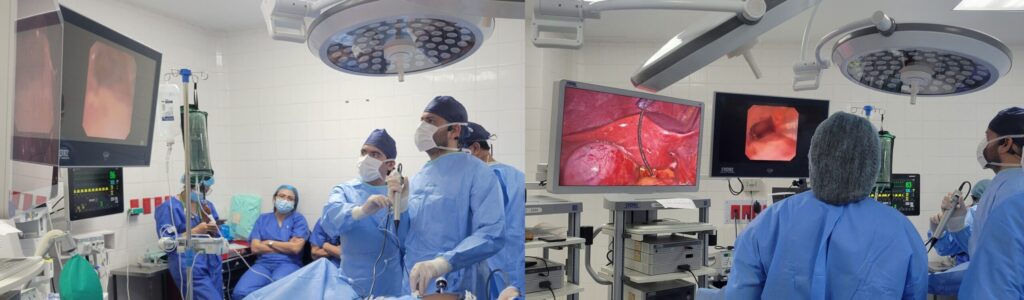
Surgery in Colombia should be defined by safety, precision, and sound clinical reasoning. I provide advanced laparoscopic and robotic procedures focused on abdominal wall reconstruction, hepatobiliary surgery, metabolic optimization for selected overweight patients, and functional body contouring. Each case is evaluated under strict indication criteria to determine whether surgery is truly necessary, which approach is safest, and how to optimize recovery and long-term results.
Looking for detailed information in Spanish? Explore all surgical services in Spanish.
Clinical approach and surgical decision-making in Colombia: indications first, technique second
A high-quality surgical outcome starts long before the operating room. My approach is built on a structured clinical evaluation: symptom pattern, physical examination, imaging correlation, risk profiling, and clear indication criteria. When surgery is indicated, the goal is not simply “to operate,” but to select the safest route, protect key anatomical structures, and achieve predictable recovery with durable results.
In Colombia, I focus on advanced minimally invasive surgery across four main areas: abdominal wall reconstruction (hernia repair and rectus diastasis), gallbladder surgery, metabolic–aesthetic optimization for selected overweight patients (with emphasis on gastric plication when appropriate), and functional body contouring procedures where anatomy and safety remain the priority. If non-surgical management is safer or more appropriate, I will tell you clearly—and document the reasoning behind that decision.
What “evidence-based surgery” means on this page (clinical, not marketing)
It means every recommendation is tied to indication criteria, anatomical considerations, and risk–benefit analysis—not to a “one-size-fits-all” package. You will see clinical language on purpose: candidacy, contraindications, expected recovery milestones, possible complications, and the limits of each technique. This is designed to help patients make informed decisions and to align expectations with realistic outcomes.
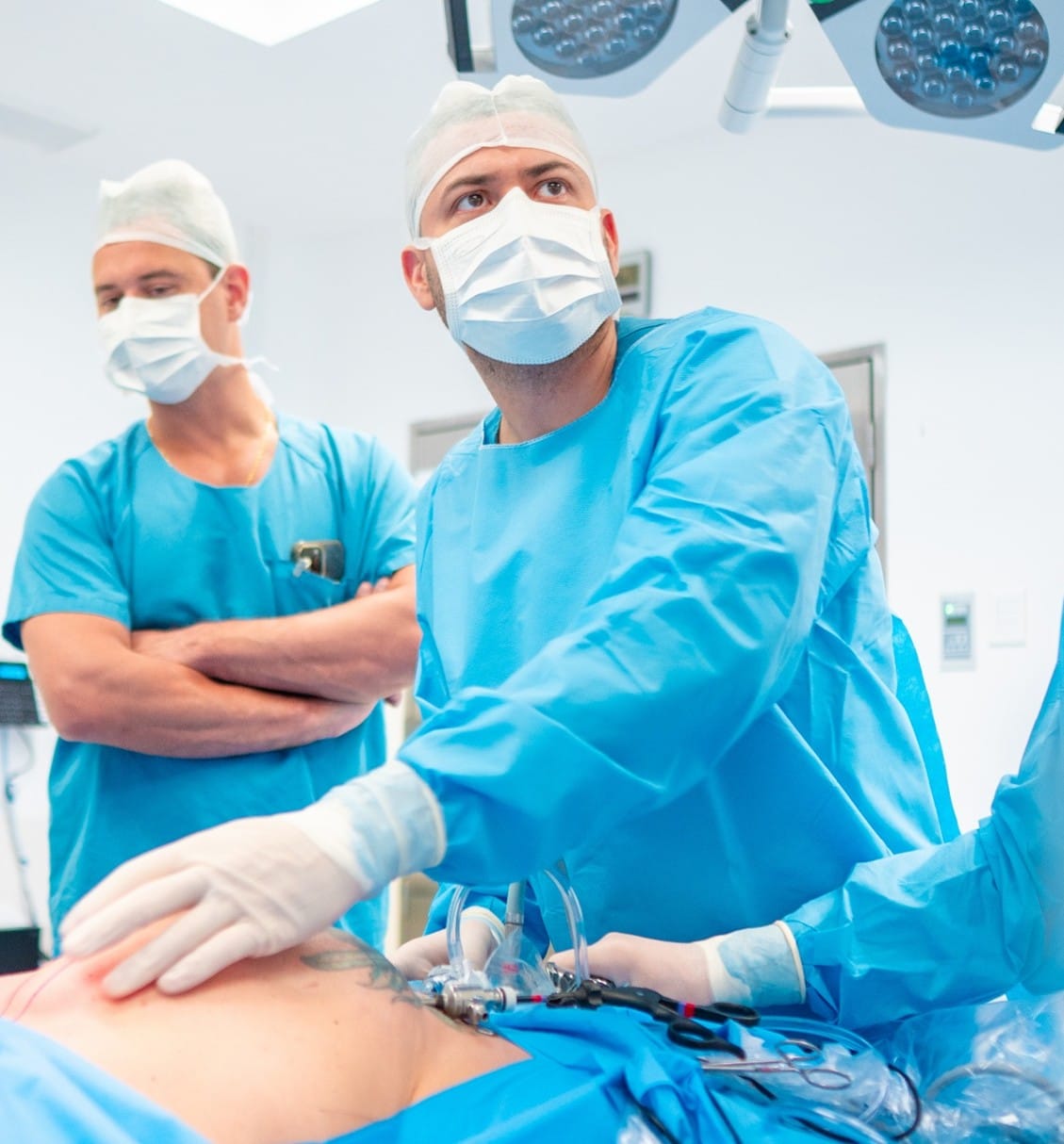
Professional perspective: how I decide the safest approach
I prioritize the approach that best protects anatomy and lowers complication risk for your specific context. That decision depends on factors such as prior abdominal surgery, body composition, inflammatory severity, hernia/diastasis characteristics, and imaging findings. When robotic surgery adds meaningful value (precision in complex planes, improved ergonomics for delicate dissection, enhanced visualization), it is considered—otherwise, laparoscopy remains an excellent minimally invasive standard. The technique serves the indication, not the other way around.
Core surgical services in Colombia
My practice in Colombia is structured around abdominal wall surgery, metabolic contour procedures, and minimally invasive digestive surgery. Each intervention is selected based on anatomical indication, functional impact, and long-term benefit — not only on technical feasibility.
I prioritize minimally invasive approaches whenever clinically appropriate, including laparoscopic and robotic-assisted techniques. You can explore detailed information about hernia repair in Medellín, gallbladder surgery, and advanced abdominal wall reconstruction in dedicated sections of this site.
1. Abdominal wall surgery
Includes repair of inguinal, umbilical, incisional and complex ventral hernias, as well as correction of rectus diastasis when functional compromise is present. The goal is structural reinforcement, restoration of core stability, and prevention of recurrence.
2. Metabolic contour procedures
Focused on patients with overweight or mild obesity seeking metabolic improvement and body contour optimization. My bariatric approach prioritizes carefully selected cases, with particular emphasis on gastric plication and sleeve options, avoiding aggressive indications when not clinically justified.
3. Minimally invasive digestive surgery
Laparoscopic and robotic techniques are used for gallbladder disease, selected abdominal pathologies, and complex cases requiring precision dissection. Learn more about robotic-assisted surgery with the Da Vinci system and its clinical advantages.
Benefits of minimally invasive surgery: physiological rationale and clinical impact
The advantages of laparoscopic and robotic surgery are not merely cosmetic. Reduced tissue trauma modifies the inflammatory cascade, decreases neuroendocrine stress response, and improves early mobilization. These physiological changes translate into measurable clinical outcomes.
In Colombia, I prioritize minimally invasive access when it provides true anatomical and functional benefit — not as a marketing label, but as a surgical decision based on exposure, safety margins, and long-term structural stability.
Reduced systemic inflammatory response
Smaller incisions and limited dissection reduce cytokine release and postoperative catabolic stress, favoring faster metabolic stabilization and shorter recovery timelines.
Preservation of abdominal wall integrity
Minimally invasive approaches maintain muscular and fascial continuity, lowering the risk of secondary weakness or incisional hernia when compared with extensive open dissections.
Enhanced precision and visualization
Three-dimensional magnified visualization and articulating instruments — particularly in robotic surgery — allow refined dissection around critical structures, improving anatomical respect and reducing unintended injury.
Faster functional reintegration
Earlier ambulation, reduced pain burden, and lower pulmonary compromise contribute to a safer postoperative course and earlier return to normal activity.
Surgical safety in Colombia: risk assessment and complication-control framework
Surgical outcomes are rarely determined by “the day of surgery” alone. Safety is built through structured decision-making: preoperative risk stratification, standardized intraoperative checkpoints, and a recovery pathway designed to detect and prevent complications early.
In my practice in Colombia, the technique is selected after defining the indication, identifying patient-specific risks, and confirming that minimally invasive access will truly improve exposure, safety margins, and functional recovery — not simply reduce scar length.
Core pillars of complication control
1. Indication-first decision-making
The first safety step is confirming that surgery is truly indicated. Clear symptom correlation, objective findings, and realistic benefit–risk balance reduce unnecessary interventions and avoid preventable complications.
2. Preoperative risk stratification and optimization
Comorbidities, prior abdominal surgery, anticoagulation, obesity patterns, smoking status, and infection risk are assessed to tailor preparation. Optimization before surgery is often the most effective “complication prevention tool.”
3. Procedure-specific planning (anatomy and strategy): Imaging-guided decision-making when it changes the plan.
Imaging review and anatomical mapping guide port placement, dissection planes, and contingency strategy. The goal is to anticipate technical difficulty before it becomes intraoperative risk. Ultrasound and targeted imaging are not “routine add-ons”. They are used when they clarify anatomy, confirm diagnosis, or reduce uncertainty — especially in biliary disease and abdominal-wall pathology.
4. Intraoperative safety checkpoints
Standardized checkpoints reduce error: correct patient/side/procedure verification, sterile protocol, prophylaxis when indicated, careful hemostasis, anatomical confirmation before division, and leak/bleeding reassessment before closure.
5. Precision-based tissue handling
Gentle traction, controlled energy use, and respect for vascular and neural structures reduce bleeding, seroma formation, postoperative pain, and late functional problems (weakness, chronic discomfort, adhesions).
6. Early detection and rapid-response recovery pathway
Clear discharge criteria and structured follow-up allow early identification of warning signs (fever, escalating pain, persistent vomiting, wound changes). Early detection is what prevents a minor deviation from becoming a major complication.
7. Realistic limits and escalation criteria
Safety includes recognizing limits: converting to open surgery, extending observation, or involving additional support when required is not failure — it is risk control. The priority is a safe outcome, not forcing a technique.
Prefer Spanish clinical guidance? See my full page on surgical services in Colombia (ES) for an overview of indications and options.
Professional profile and surgical credentials in Colombia
Dr. José Eduardo Agámez Fuentes is a General Surgeon trained at the Universidad de Antioquia, with additional background as a Biological Engineer from the Universidad Nacional de Colombia. His clinical practice in Colombia is focused on elective abdominal wall, metabolic and minimally invasive surgery, prioritizing anatomical precision, controlled dissection and structured complication prevention.
He holds international certification in medical ultrasound (ARDMS, USA), which reinforces intraoperative anatomical interpretation and diagnostic correlation. His surgical activity centers on laparoscopic and robotic approaches when clinically indicated, with emphasis on abdominal wall reconstruction, aesthetic-functional contour surgery and metabolic procedures for overweight and mild obesity patients.
International surgical training, certification and clinical experience
Comprehensive training: General Surgery + Biological Engineering
General Surgeon trained at Universidad de Antioquia and Biological Engineer from Universidad Nacional de Colombia. This combination supports a structured approach to anatomy, physiology and surgical technology—useful for elective planning, minimally invasive execution and predictable recovery pathways.
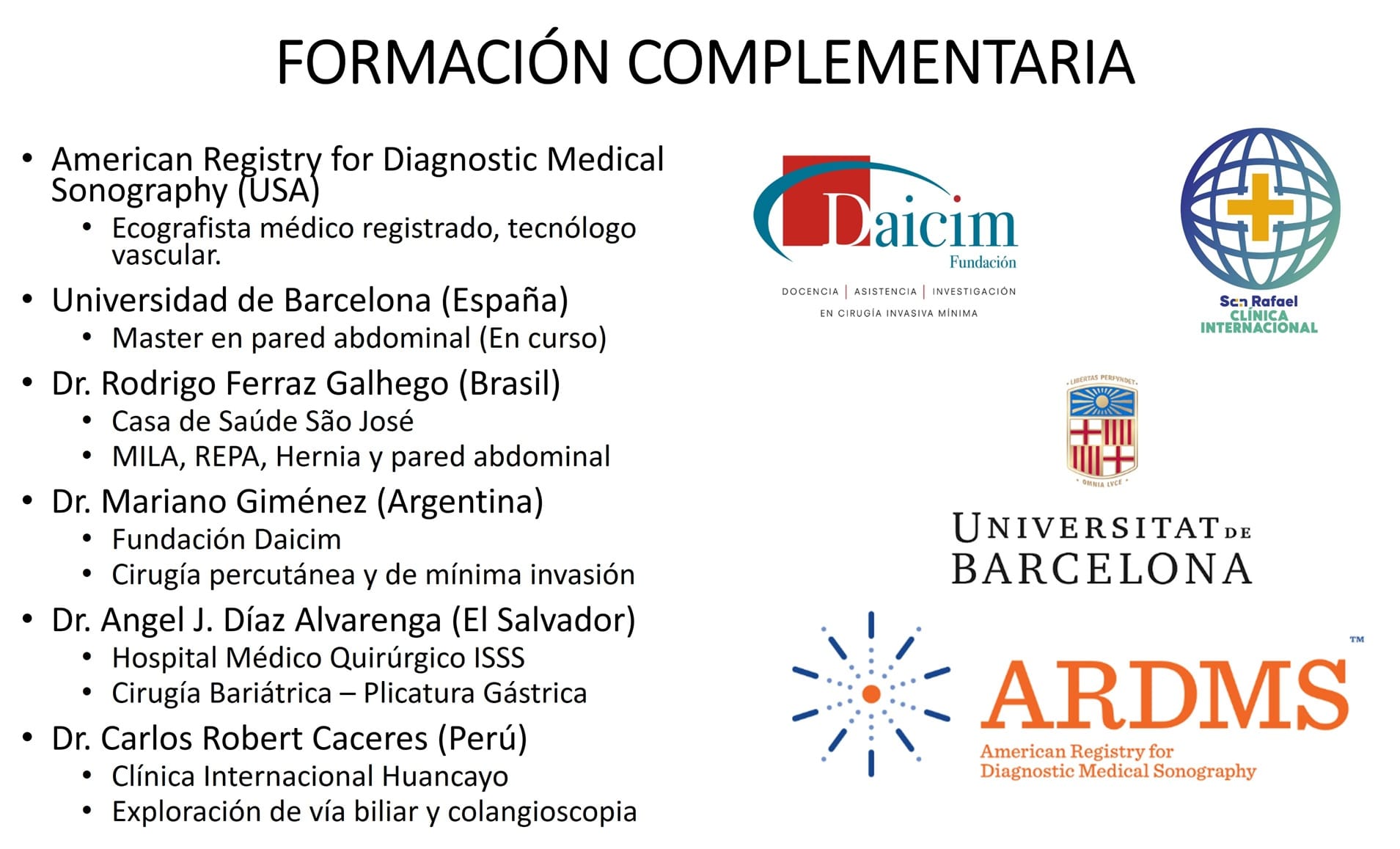
International ultrasound certification (ARDMS – USA)
ARDMS certification supports advanced diagnostic ultrasound use in clinical evaluation and perioperative decision-making. When relevant, imaging correlation improves patient selection, preoperative planning and postoperative assessment—especially in abdominal wall and minimally invasive surgery.
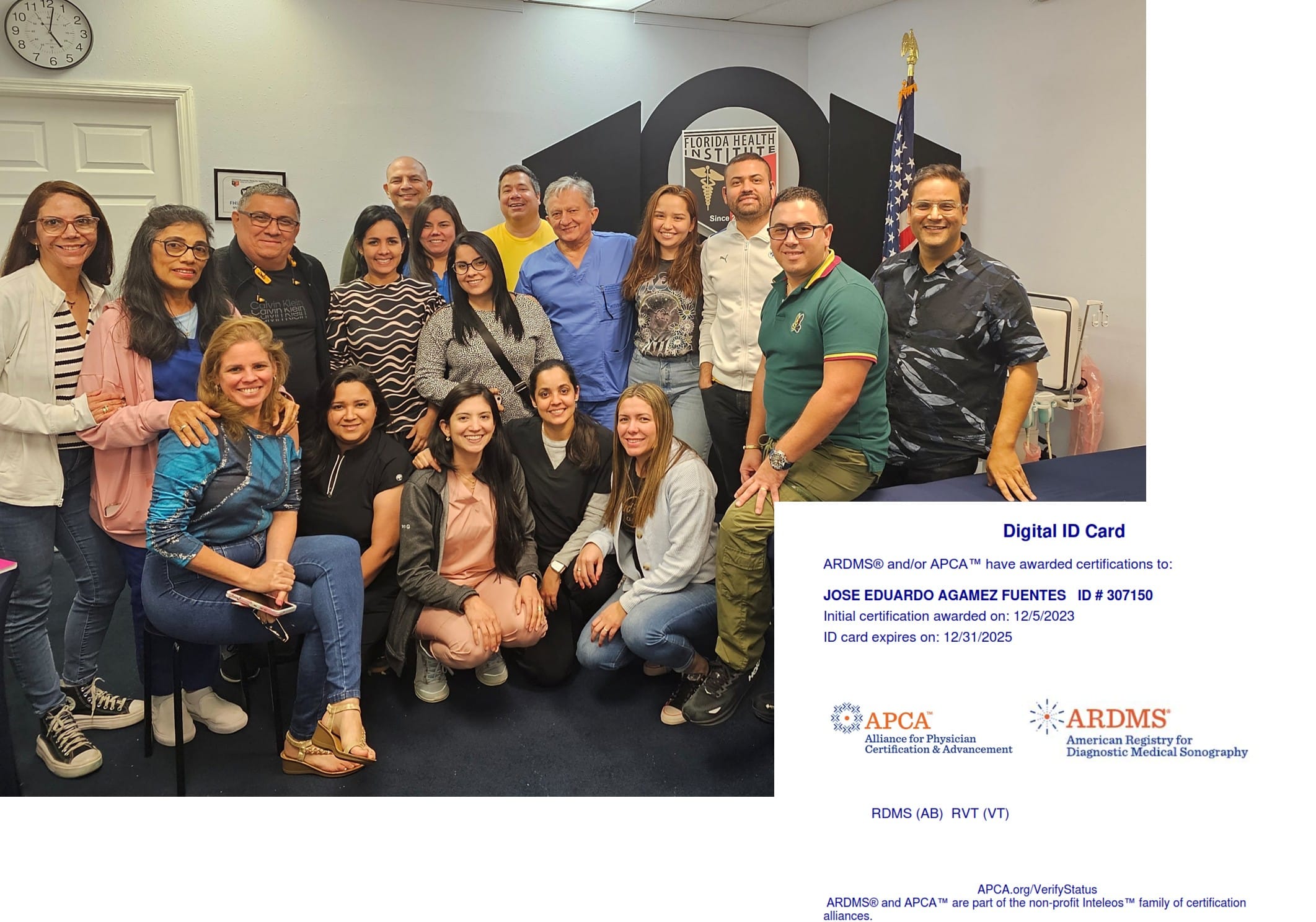
Minimally invasive and advanced biliary surgery training
Training in advanced minimally invasive techniques, including laparoscopic biliary surgery and intraoperative bile duct exploration/choledochoscopy workflows. The goal is not “more technology”, but safer anatomy recognition, better risk control and clearer intraoperative decision-making when complexity increases.
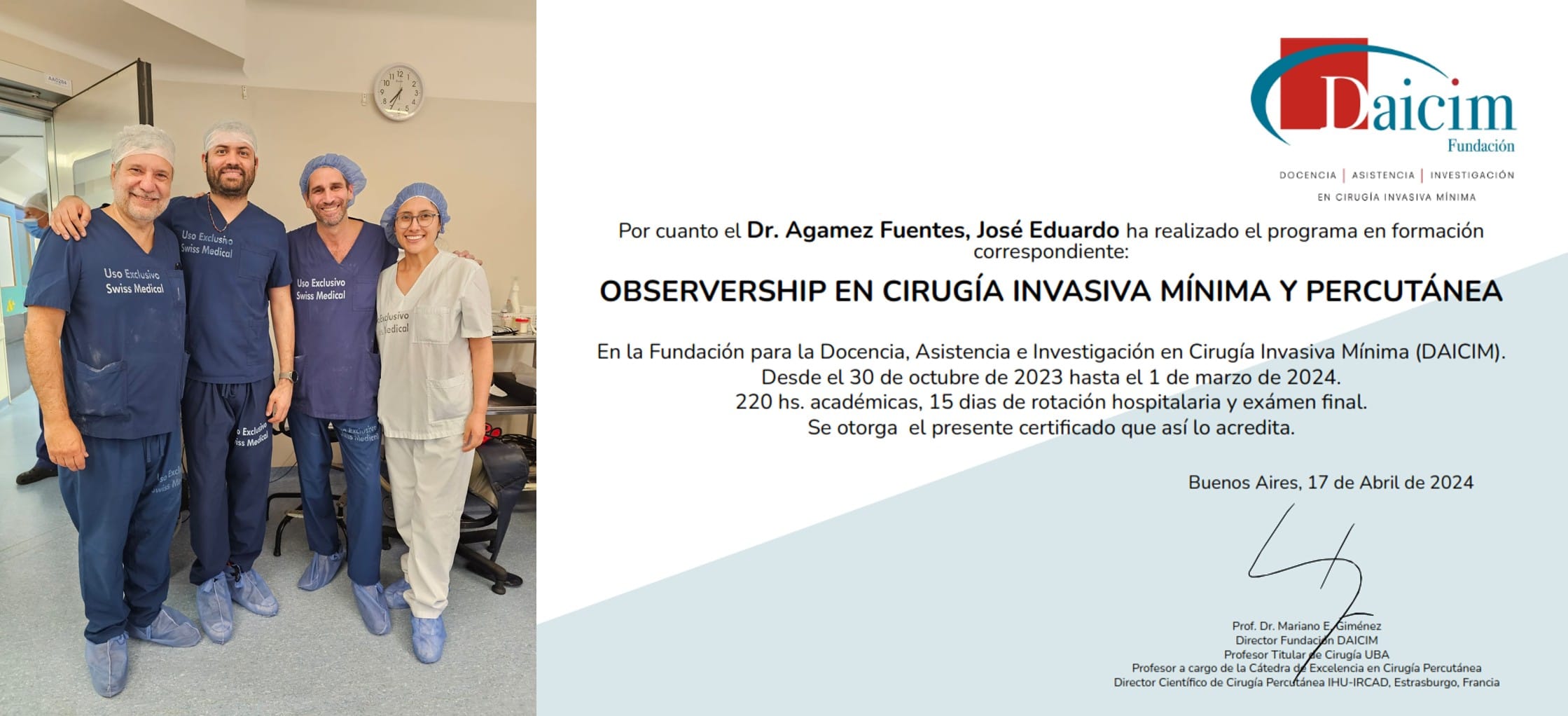
For a structured overview of clinical background and training, visit Dr. José Agámez’s professional profile in Colombia .
Structured surgical process in Colombia: evaluation, execution and follow-up
Every procedure follows a structured clinical pathway. The objective is not only technical success, but correct indication, controlled execution and predictable recovery. Surgical decision-making is individualized according to diagnosis, functional status and realistic outcome expectations.
This framework applies to abdominal wall surgery, gallbladder procedures, minimally invasive contour surgery and selected metabolic cases. Technique is selected only after confirming clinical indication and risk profile.
1. Clinical evaluation and imaging review
Comprehensive medical history, physical examination and imaging correlation. When necessary, in-office ultrasound evaluation supports anatomical clarification and surgical planning.
2. Surgical indication and technique selection
Procedure type (laparoscopic, robotic or minimally invasive open) is defined according to anatomy, risk profile and functional objectives. Indication precedes technology.
3. Controlled operative execution
Surgery is performed under standardized safety protocols, bleeding control strategies and anatomical precision principles to reduce postoperative complications.
4. Structured recovery and follow-up
Pain control, early mobilization guidance and scheduled follow-up visits are part of the protocol. Recovery progression is monitored clinically, not assumed.
If you would like to understand the surgical philosophy and background behind this approach, you can review Dr. José Agámez’s clinical profile.
Patient reviews in Colombia
Real experiences from patients in Colombia who chose minimally invasive surgery with Dr. José Agámez.

Reviews reflect individual experiences and do not guarantee identical outcomes. Surgical decisions are based on clinical indication, imaging and risk profile.
Clinical patterns commonly highlighted in patient reviews
Individual outcomes vary, but certain themes appear repeatedly in patient feedback. In clinical practice, these themes usually reflect consistent processes: indication clarity, technique selection based on anatomy and risk profile, pain-control strategy, recovery guidance and follow-up structure.
Clear explanation before surgical indication
Many patients value understanding the reasoning behind surgery. A structured evaluation—history, exam and imaging correlation— helps clarify whether surgery is truly indicated and what approach is safest for the specific case.
Pain control and early functional recovery
Smooth recovery experiences are often linked to controlled tissue handling, standardized perioperative safety protocols and a clear postoperative plan (analgesia, mobilization, diet progression when relevant and activity guidance).
Technique selection based on anatomy and risk profile
Reviews frequently mention confidence in the chosen technique. In practice, minimally invasive approaches are prioritized when appropriate, but the operative strategy is defined by anatomy, complexity and risk—indication first, technology second.
Structured follow-up and postoperative availability
Early detection and prevention of complications depend on follow-up structure. Patients often highlight clear instructions, scheduled controls and the sense that recovery is monitored clinically—not assumed.
Consistency between consultation and outcome
Satisfaction tends to improve when expectations are aligned with clinical reality from the first consultation. Transparent planning (what surgery can and cannot achieve) is a core driver of trust and long-term satisfaction.
Schedule your surgical evaluation in Colombia
If you are considering surgery, the most important step is not choosing a technique — it is confirming the correct indication. A structured clinical evaluation allows anatomical analysis, risk assessment and definition of the safest operative strategy according to your specific condition.
The consultation is focused, evidence-based and individualized. Once indication is confirmed, the appropriate minimally invasive or robotic approach can be selected with clarity and safety.
Would you like to review the clinical background and surgical philosophy behind this approach? Explore Dr. José Agámez’s professional profile.
Frequently asked questions about gallbladder surgery in Colombia
Who is a candidate for gallbladder removal (cholecystectomy)?
Candidates are usually patients with symptomatic gallstones (biliary colic), recurrent inflammation (cholecystitis), stones migrating into the bile duct, or gallbladder-related complications such as biliary pancreatitis. The decision is clinical and imaging-based, and it depends on symptom pattern, ultrasound findings and overall risk profile.
Can gallstones go away without surgery?
In most cases, gallstones do not disappear on their own. While symptoms may fluctuate, the stones typically remain. Non-surgical measures can help with short-term symptom control, but they do not reliably eliminate stones or prevent recurrence and complications when stones are symptomatic.
What happens if I delay surgery when gallstones are symptomatic?
Delaying surgery can increase the risk of recurrent pain episodes and complications, including acute cholecystitis, bile duct obstruction (choledocholithiasis), cholangitis, or pancreatitis. A planned procedure is typically safer and more controlled than an urgent surgery performed during severe inflammation.
Is laparoscopic gallbladder surgery safe?
Yes. Laparoscopic cholecystectomy is a widely performed procedure with a low complication rate when properly indicated and performed with careful technique. The key safety factors are correct diagnosis, adequate surgical exposure, identification of biliary anatomy and appropriate intraoperative decision-making.
When would an open surgery be necessary?
Open surgery is reserved for selected situations such as severe inflammation, difficult anatomy, dense adhesions, bleeding risk, or when patient safety requires conversion. Conversion is not a failure; it is a safety decision made to prevent injury to the bile duct or adjacent organs.
How long does gallbladder surgery take?
Many cases take roughly 45–90 minutes, but the exact duration depends on inflammation level, anatomy, prior abdominal surgery, and whether additional steps are required (for example, bile duct evaluation). The priority is precision and safety, not speed.
What is the typical recovery timeline?
Many patients resume light daily activities within a few days. Full return to heavy lifting or intense exercise is gradual and depends on your clinical course and your surgeon’s instructions. Pain control, early mobility and structured follow-up are part of the recovery plan.
Can I live normally without a gallbladder?
Yes. The liver continues producing bile, which flows directly into the intestine. Most patients adapt well. Some people experience temporary digestive sensitivity (especially to high-fat meals) during the initial weeks, and diet is reintroduced progressively based on tolerance.
What tests are usually needed before surgery?
A structured evaluation typically includes clinical assessment, abdominal ultrasound and routine preoperative labs. Depending on symptoms and findings, additional studies may be required to evaluate the bile duct and pancreatic involvement. The goal is to confirm indication and reduce preventable perioperative risk.
What are the main risks and complications I should understand?
As with any surgery, risks include bleeding, infection, anesthetic complications, bile leakage, and (rarely) injury to the bile duct or nearby organs. Risk is influenced by inflammation severity, anatomy, and prior surgery. A safety-first approach includes careful identification of anatomy, appropriate conversion criteria, and close postoperative monitoring.