Minimally Invasive and Robotic Surgery in Colombia – Dr. José Eduardo Agámez
Advanced Laparoscopic and Robotic Techniques with International Standards
Precision-Based Surgical Judgment Focused on Safety and Faster Recovery
Personalized Care for International Patients Seeking Surgery in Colombia
Dr. José Eduardo Agámez is a board-certified general surgeon based in Medellín, Colombia, with advanced training in minimally invasive and robotic surgery. His practice focuses on gallbladder surgery, hernia repair, rectus diastasis correction, and selective weight-loss procedures, always guided by strict clinical criteria, patient safety, and evidence-based decision making. International patients choose Colombia not only for modern medical facilities, but for transparent evaluations and individualized surgical planning.
Prefer Spanish?
Visit the Spanish homepage for local guidance and recovery details.
Clinical Criteria First: When Surgery Helps — and When It Doesn’t
From a clinical standpoint, the decision to operate is not based on trends or technology—it depends on diagnosis, risk, and the patient’s goals. My approach is to define the safest indication first, then choose the least invasive strategy that achieves the objective with predictable recovery and low complication risk.
Not every patient benefits from surgery, and not every case requires the most advanced platform. Gallbladder symptoms can range from biliary colic to acute inflammation; some hernias can be safely observed while others should be repaired; rectus diastasis may require functional correction, aesthetic refinement, or both; and in selected cases, robotic surgery in Colombia can add value when precision and complex anatomy justify it.
Professional Perspective: How I Decide if Surgery Is the Best Option
I start by clarifying the diagnosis and confirming that symptoms match objective findings. Then I evaluate risk (medical history, prior surgeries, anatomy, and complexity) and discuss realistic outcomes. If surgery is indicated, I explain alternatives and trade-offs—laparoscopic, robotic, or non-operative management—so the plan is based on clinical reasoning, not assumptions.
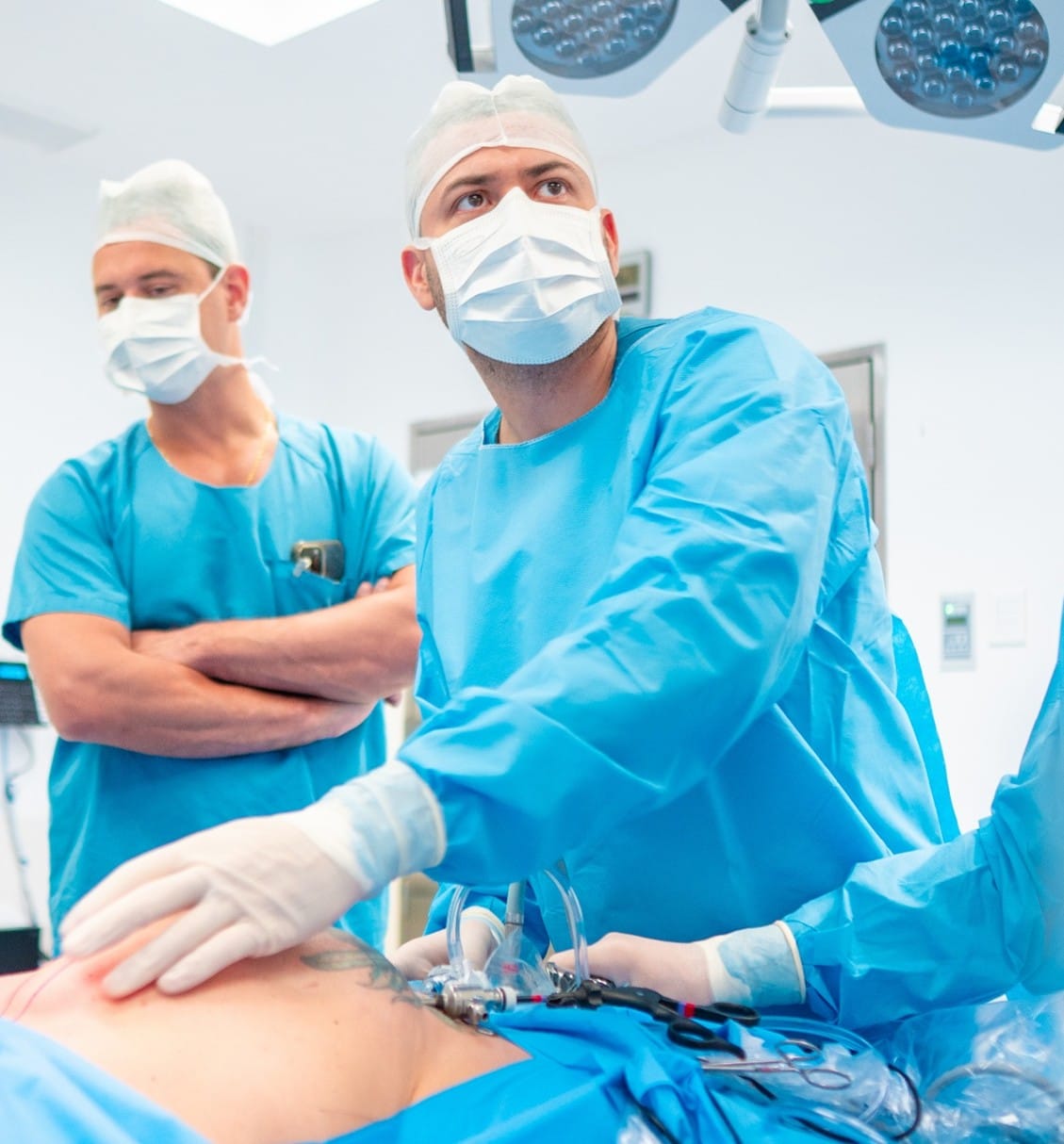
Medellín and Bogotá: Where Your Surgery Takes Place and Why It Matters
Most procedures can be performed in Medellín with structured follow-up and continuity of care. When robotic surgery adds a clear clinical advantage, cases are scheduled in Bogotá where the Da Vinci platform is available through my clinical partnership. The surgical decision, planning, and follow-up remain under my direct care—location changes only when it improves precision, safety, or outcomes.
Key Procedures in Colombia for International Patients
Gallbladder Surgery (Laparoscopic Cholecystectomy)
When gallbladder surgery is typically recommended
Surgery is commonly indicated when gallstones cause recurrent biliary colic, complications such as acute cholecystitis, pancreatitis, or bile duct obstruction, or when symptoms persist despite conservative measures. Surgical indication depends on symptoms, imaging findings, and risk assessment.
When surgery may not be urgent—or may not be necessary
Not every patient with gallstones needs surgery. Asymptomatic stones often require observation, and some symptoms are not truly biliary. A safe plan starts by confirming that symptoms match objective findings and ruling out alternative causes before deciding on surgery.
Hernia Repair (Laparoscopic or Robotic in Selected Cases)
When hernia repair is strongly advised
Surgery is usually recommended when a hernia causes pain, limits daily activities, enlarges over time, or shows warning signs such as incarceration or strangulation risk. The decision is individualized based on hernia type, anatomy, and patient factors.
Watchful waiting: when observation can be reasonable
Some hernias can be safely observed when symptoms are minimal and the patient’s risk profile suggests a conservative approach. From a clinical standpoint, the key is clear education on red flags and a structured follow-up plan.
Rectus Diastasis Repair (Functional Core Correction + Aesthetic Goals)
Functional indications: when correction goes beyond aesthetics
Repair may be considered when diastasis is associated with core instability, back discomfort, hernias, or functional impairment despite guided rehabilitation. The plan depends on the abdominal wall evaluation and the patient’s goals.
Technique selection: minimally invasive vs combined approach
Not every case requires the same technique. Some patients benefit from minimally invasive correction, while others need a combined functional and skin/excess management plan. The safest strategy is based on anatomy, tissue quality, and realistic outcomes.
MILA: Minimally Invasive Lipoabdominoplasty in Colombia
When MILA is clinically appropriate
MILA may be considered when rectus diastasis, abdominal wall weakness, and localized skin excess coexist, particularly after pregnancy or significant weight changes. From a clinical standpoint, the indication depends on functional impairment, tissue quality, and patient goals—not only aesthetic expectations.
Functional repair vs purely cosmetic approach
Not every abdominal contour concern requires extensive surgery. Some patients benefit from minimally invasive correction of muscle separation with limited skin management, while others require a more comprehensive approach. The safest plan balances structural repair, recovery time, and realistic aesthetic outcomes.
Bariatric Surgery and Weight-Loss Alternatives in Colombia
Who may benefit from bariatric surgery
Surgical weight-loss procedures may be indicated for patients with obesity-related health risks such as type 2 diabetes, hypertension, or metabolic syndrome, especially when structured medical management has failed. Surgical indication depends on BMI, comorbidities, and long-term adherence potential.
Gastric plication and selective alternatives
In selected cases, less invasive alternatives such as gastric plication may be considered. The choice between sleeve, bypass, or plication is based on metabolic profile, eating behavior, and risk stratification. A comprehensive evaluation is essential to define the safest and most effective strategy.
Robotic Surgery in Colombia (Da Vinci Platform in Bogotá)
When robotic surgery can add clinical value
Robotic surgery may be beneficial in selected complex cases where precision, visualization, and instrument dexterity improve safety—particularly in challenging anatomy or reconstructive steps. Robotic is a tool, not a goal; indication comes first.
Medellín vs Bogotá: choosing the right setting for the right case
Most surgeries can be performed in Medellín with continuity of follow-up. When a robotic approach provides clear advantage, procedures are scheduled in Bogotá where the Da Vinci platform is available through my clinical partnership—while planning and follow-up remain under my direct care.
Explore detailed clinical guidance:
Gallbladder Surgery ·
Hernia Repair ·
Rectus Diastasis Repair ·
Robotic Surgery
Learn more about:
Rectus Diastasis Repair ·
Weight-Loss Procedures
Prefer Spanish explanations of symptoms and recovery?
Visit the Spanish services hub.
Spanish-speaking patients can explore detailed explanations of recovery and expectations in our
Spanish services section
.
International Patient Process in Colombia
International care works best when the process is structured. From a clinical standpoint, the goal is to confirm diagnosis, define a safe indication, and build a surgical plan with clear timelines—before you travel. I guide you through each step so expectations, risks, and recovery are addressed with medical clarity.
Most procedures can be performed in Medellín with continuity of follow-up. When a robotic approach provides a clear clinical advantage, surgery is scheduled in Bogotá where the Da Vinci platform is available—while planning and postoperative care remain under my direct supervision.
- Step 1 – Virtual consultation: symptoms, medical history, and goals.
- Step 2 – Diagnostic review: imaging/labs and confirmation that findings match symptoms.
- Step 3 – Risk assessment: comorbidities, prior surgeries, and surgical complexity.
- Step 4 – Technique selection: laparoscopic vs robotic vs non-operative alternatives.
- Step 5 – Scheduling & planning: timing, facility coordination, and pre-op instructions.
- Step 6 – Surgery & recovery plan: pain control, mobility, and return-to-activity milestones.
- Step 7 – Follow-up: structured postoperative monitoring (in-person and remote as needed).
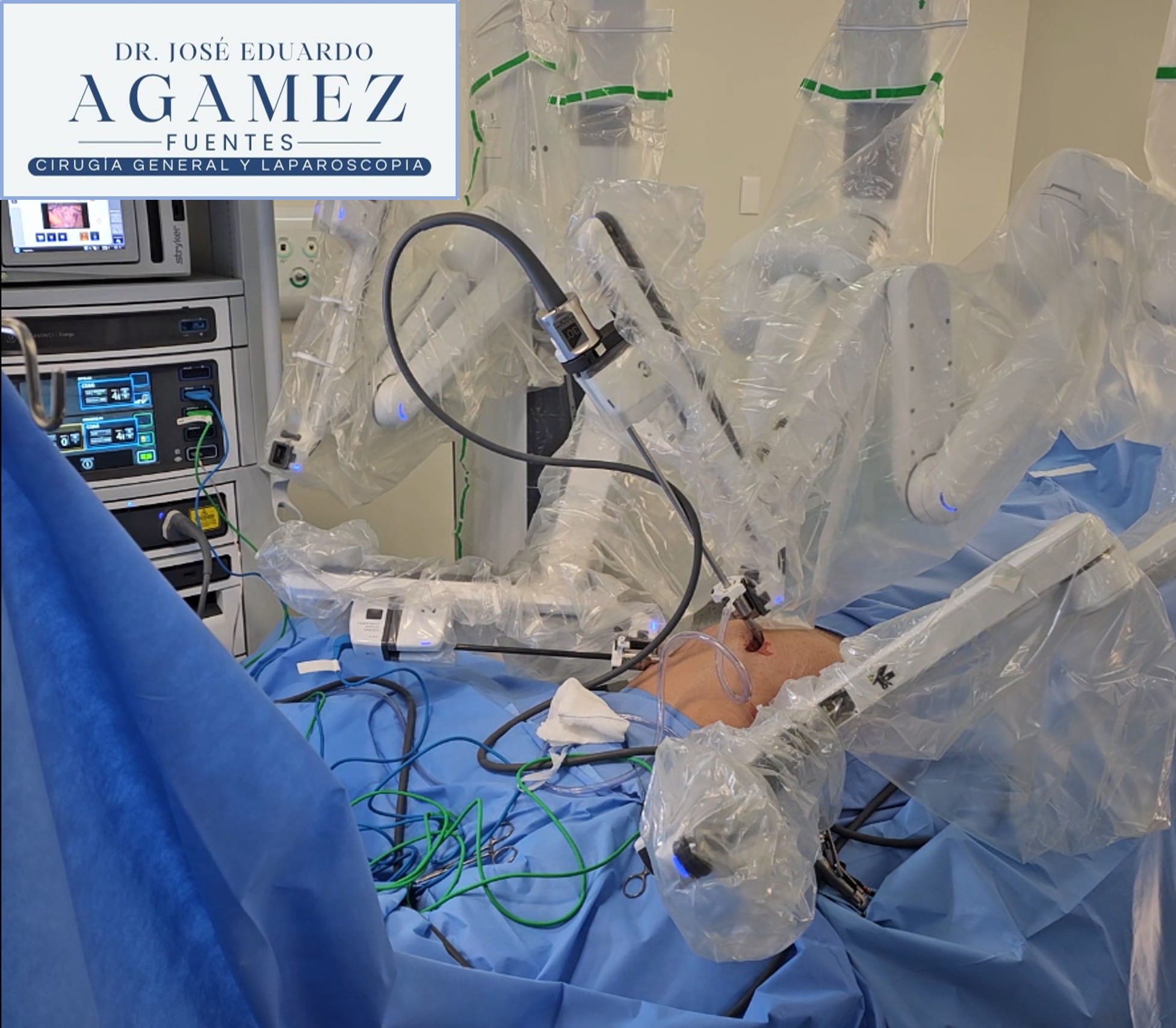
Robotic Surgery (Da Vinci): When It Adds Clinical Value
Robotic surgery can provide enhanced precision, visualization, and instrument dexterity in selected complex cases. Not every patient needs robotic surgery—indication comes first. When it offers a clear advantage in safety or technical execution, procedures are scheduled in Bogotá where the platform is available, while evaluation and follow-up remain under my direct care.
Learn more about
Robotic Surgery in Colombia
or
request an international consultation.
Recovery After Surgery in Colombia: What to Expect
Recovery is not only about “days off”—it is a structured medical process. From a clinical standpoint, safe recovery depends on the right indication, a careful surgical plan, appropriate pain control, early mobilization, and clear follow-up milestones. My goal is to reduce unnecessary risk and guide you through a predictable recovery pathway.
Most procedures can be performed in Medellín with continuity of care. When robotic surgery adds clear clinical value, cases are scheduled in Bogotá where the Da Vinci platform is available—while evaluation, planning, and postoperative monitoring remain under my direct care. Recovery planning starts before travel and continues with structured follow-up after surgery.
Advantages of a Structured Recovery Plan
1. Clear expectations and timelines
A good plan defines what is normal after surgery, what requires attention, and when you can safely return to daily activities. This reduces anxiety and prevents delayed recognition of complications.
2. Pain control with safety
Pain management is individualized based on procedure type, risk profile, and recovery goals. The objective is comfort, early mobility, and minimizing side effects—without compromising safety.
3. Early mobility and complication prevention
Early ambulation, breathing exercises, hydration, and nutrition guidance are key to reducing common postoperative risks. Small steps in the first days can significantly improve recovery quality.
4. Technique selection that supports recovery
Not every patient needs the most advanced platform. The technique—laparoscopic, robotic, or another approach—is chosen based on anatomy, complexity, and expected benefit. The goal is the safest option with predictable recovery.
5. Lower tissue trauma in minimally invasive surgery
When clinically appropriate, minimally invasive techniques can reduce tissue disruption and support earlier return to activity. However, the key is proper indication and careful execution—not marketing promises.
6. Continuity of follow-up for international patients
International patients benefit from structured follow-up planning, including clear milestones and remote check-ins when appropriate. My team and I maintain continuity so you are not left navigating recovery alone.
7. Red flags: when to contact your surgeon immediately
Safe recovery includes education on warning signs such as persistent fever, uncontrolled pain, progressive swelling, difficulty breathing, or unexpected drainage. Clear guidance helps address issues early and prevents avoidable complications.
Want a step-by-step overview? See the
International Patient Process.
For clinical details, explore:
Gallbladder ·
Hernia ·
Diastasis.
Prefer Spanish guidance on symptoms and recovery?
Visit the Spanish homepage.
Frequently Asked Questions About Surgery in Colombia (International Patients)
Who is a good candidate for minimally invasive surgery in Colombia?
Candidates are selected based on diagnosis, anatomy, medical history, and the expected benefit of a minimally invasive approach.
From a clinical standpoint, candidacy depends on safe indication and risk assessment—not only on preference for small incisions.
A virtual consultation and review of imaging/labs help confirm whether laparoscopic or robotic surgery is appropriate.
How do I know if my symptoms truly require surgery?
Not every symptom requires surgery. Surgical indication depends on whether your symptoms match objective findings (imaging, labs, and clinical evaluation),
and whether non-operative options are reasonable. My approach is to confirm the diagnosis first, rule out common alternatives, and then define the safest plan.
What information should I send before an international consultation?
Please share a brief summary of symptoms, relevant medical history (prior surgeries, medications, allergies), and any recent tests such as ultrasound, CT/MRI,
endoscopy (if applicable), and laboratory results. If you do not have all tests, we can recommend what is clinically necessary based on your case.
Where will my surgery take place: Medellín or Bogotá?
Most procedures can be performed in Medellín with continuity of follow-up. When robotic surgery offers a clear clinical advantage,
procedures are scheduled in Bogotá where the Da Vinci platform is available through my clinical partnership. The evaluation, planning,
and postoperative monitoring remain under my direct care.
When is robotic surgery recommended instead of laparoscopy?
Robotic surgery may add value in selected complex cases where enhanced precision, visualization, and instrument dexterity improve safety or technical execution.
However, robotic is a tool—not a goal. Technique selection depends on anatomy, complexity, and expected benefit, always guided by clinical criteria.
How long do I need to stay in Colombia after surgery?
The recommended stay depends on the procedure, your risk profile, and early recovery milestones. Many minimally invasive procedures allow a shorter stay,
but safe travel planning requires an individualized timeline. We define expected recovery, follow-up needs, and red flags before you book return travel.
What does follow-up look like for international patients?
Follow-up is structured and planned from the start. You receive clear postoperative instructions, milestone-based monitoring, and direct guidance on warning signs.
Depending on your case, follow-up can include in-person evaluations in Colombia and remote check-ins after you return home when clinically appropriate.
What are the main risks and how do you reduce them?
Every surgery carries risk. The safest outcomes come from correct indication, careful preoperative assessment, appropriate technique selection,
and standardized postoperative care. I focus on risk stratification, clear planning, and early complication recognition—because prevention starts with clinical judgment.
Can you provide pricing before the consultation?
Exact pricing is defined after a medical evaluation because complexity, prior surgeries, comorbidities, and the surgical plan can significantly change resources and risk.
After reviewing your case, we provide clear guidance on expected costs and what is included, so decisions are informed and transparent.
How do I request an international surgical consultation with Dr. Agámez?
You can request an international consultation via WhatsApp or the contact page. Share your main concern, your diagnosis (if known), and any available tests.
We will guide you through the next steps to confirm indication, plan timing, and define the safest surgical strategy in Colombia.